
"newly produced"
2000 article(s) found

Introduction to the producing areas of Goddess Manor Coffee with ideal acidity and unique strong flavor
The research center, located about 30 kilometers northeast of the Costa Rican capital San Jose, belongs to the Costa Rican Coffee Association and is a research institution for villa sarchi planting, breeding and quality inspection newly developed by Costa Rica's national coffee breeds. in addition, it also has 10 hectares of experimental plots, planting a number of excellent varieties. Coffee is the main agricultural product in Costa Rica, with an annual output of more than 2 million bags

Introduction to the characteristics of Costa Rican Yerzaro Coffee Flavor Manor
The research center, located about 30 kilometers northeast of the Costa Rican capital San Jose, belongs to the Costa Rican Coffee Association and is a research institution for villa sarchi planting, breeding and quality inspection newly developed by Costa Rica's national coffee breeds. in addition, it also has 10 hectares of experimental plots, planting a number of excellent varieties. Coffee is the main agricultural product in Costa Rica, with an annual output of more than 2 million bags
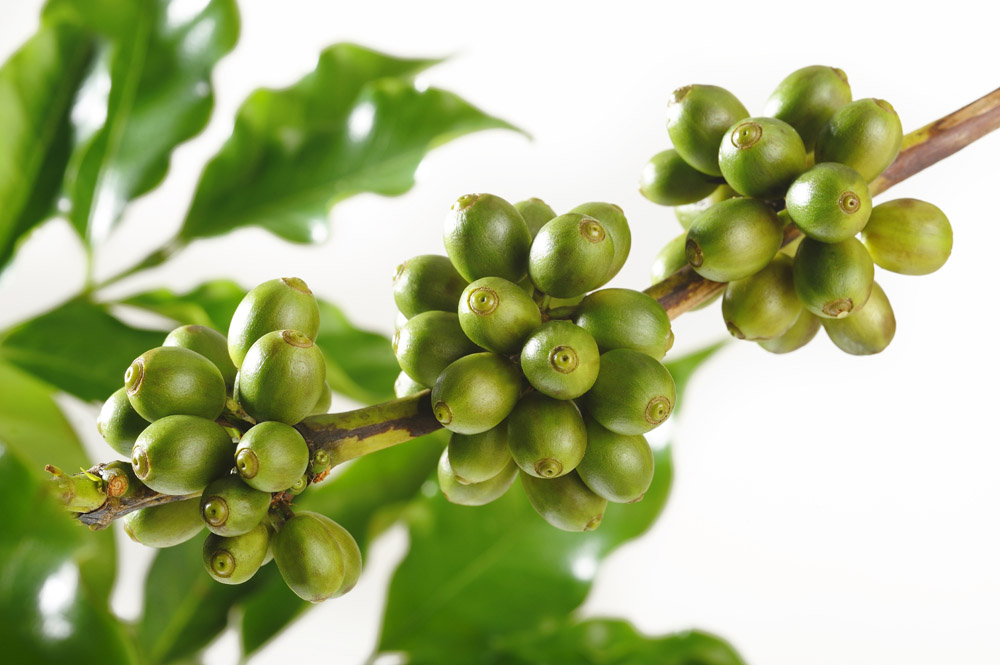
Coffee beans-Costa Rican coffee flavor of Costa Rican coffee
Costa Rican coffee is produced in the Republic of Costa Rica (The Republic of Costa Rica) in the south of Central America. Its coffee quality is similar to that of Colombian coffee and is suitable for blending mixed coffee. The coffee beans produced by the high latitudes of Costa Rica are famous in the world, full-bodied, mild in taste, but extremely sour.

Introduction to the taste of flavor manor in Costa Rican Saint Roman coffee producing area
In 1949 Figueres Ferrer handed over power to the elected leader of the National Union Party, O. Ullat Blanco. In October 1951, led by Figueres Ferrer, the National Liberation Party was founded. In the six general elections from 1953 to 1978, the National Liberation Party won four times. When the party was in power, it stressed that the state intervened in the economy, nationalized some industries and raised import taxes to protect the nation.
Characteristics of coffee beans in Burman Manor, Kenya, with strong taste, taste, flavor description, grinding scale.
In addition to having obvious and charming fruit acidity, Kenyan coffee is mostly from small coffee farmers, planted in a variety of different environments, encounter different climate and rainfall every year, and bring a variety of distinct and unique personalities. Take the AAPlus grade KenyaAA+Samburu as an example, the 2001 Samburu has a strong black plum flavor, low acidity and strong taste. It was newly harvested in the winter of 2002.

A brief introduction to the History and Culture of the Origin and Development of Costa Rican Yerzaro Fine Coffee beans
The newly developed villa sarchi planting, breeding and quality inspection research institutions, in addition, it also has 10 hectares of experimental plots, planting a number of excellent varieties. Coffee is Costa Rica's main agricultural product, with an annual output of more than 2 million bags (60 kilograms) and foreign exchange earnings of 250 million US dollars, second only to pineapples and bananas. All the coffee trees planted in Costa Rica are Arabica coffee trees.

Starbucks Coffee and Love Bean "Marriage" strengthens the territory of Yunnan Coffee Bean Base
Yesterday, coffee giant Starbucks Coffee Co., Ltd. announced that it had signed a joint venture with Yunnan Aiyi Group to once again strengthen its coffee bean base in Yunnan. The newly formed joint venture, led by Starbucks, will buy and export high-quality Arabica coffee beans from Yunnan, and set up a coffee bean processing plant with the best processing technology.

Can I buy authentic Costa Rican coffee beans in China?-introduction to price and flavor producing areas
The research center, located about 30 kilometers northeast of the Costa Rican capital San Jose, belongs to the Costa Rican Coffee Association and is a research institution for villa sarchi planting, breeding and quality inspection newly developed by Costa Rica's national coffee breeds. in addition, it also has 10 hectares of experimental plots, planting a number of excellent varieties. Coffee is the main agricultural product in Costa Rica, with an annual output of more than 2 million bags

Introduction to the flavor and taste of the unique and strong flavor in the producing area of Saint Roman Manor, Costa Rica.
The newly developed villa sarchi planting, breeding and quality inspection research institutions, in addition, it also has 10 hectares of experimental plots, planting a number of excellent varieties. Coffee is Costa Rica's main agricultural product, with an annual output of more than 2 million bags (60 kilograms) and foreign exchange earnings of 250 million US dollars, second only to pineapples and bananas. All the coffee trees planted in Costa Rica are Arabica coffee trees.

Introduction to the characteristics of coffee flavor producing area of Fire Phoenix Manor in Costa Rica
1502 C. Columbus discovered the coast of Costa Rica on his fourth voyage. Since then, the Spanish colonists have invaded many times. The city of Catago was founded in 1563 and Costa Rica was colonized by Spain and placed under the jurisdiction of the Governor's Office of Guatemala. During the colonial period, under the cruel enslavement and oppression of the Spanish colonists, the Indians were almost wiped out and there was little labor available for enslavement.

Strong scented Costa Rican Yerzaro Fine Coffee Bean Grinding degree treatment method
There are many kinds of coffee here, but its industrial policy is large and cheap, so there is not much premium coffee, but it is a good choice for mixing other coffees. The newly developed villa sarchi planting, breeding and quality inspection research institutions, in addition, it also has 10 hectares of experimental plots, planting a number of excellent varieties. Coffee is the main agricultural product in Costa Rica, with an annual output of more than 2 million.

Introduction to the Goddess Manor in Costa Rica Coffee Manor
The research center, located about 30 kilometers northeast of the Costa Rican capital San Jose, belongs to the Costa Rican Coffee Association and is a research institution for villa sarchi planting, breeding and quality inspection newly developed by Costa Rica's national coffee breeds. in addition, it also has 10 hectares of experimental plots, planting a number of excellent varieties. Coffee is the main agricultural product in Costa Rica, with an annual output of more than 2 million bags

Introduction to the characteristics of Costa Rican Yerzaro Coffee Flavor Manor
The newly developed villa sarchi planting, breeding and quality inspection research institutions, in addition, it also has 10 hectares of experimental plots, planting a number of excellent varieties. Coffee is Costa Rica's main agricultural product, with an annual output of more than 2 million bags (60 kilograms) and foreign exchange earnings of 250 million US dollars, second only to pineapples and bananas. All the coffee trees planted in Costa Rica are Arabica coffee trees.

Introduction to the varieties of flavor and taste in the producing area of Costa Rican Saint Roman Coffee Manor.
The research center, located about 30 kilometers northeast of the Costa Rican capital San Jose, belongs to the Costa Rican Coffee Association and is a research institution for villa sarchi planting, breeding and quality inspection newly developed by Costa Rica's national coffee breeds. in addition, it also has 10 hectares of experimental plots, planting a number of excellent varieties. Coffee is the main agricultural product in Costa Rica, with an annual output of more than 2 million bags

Introduction of Costa Rican Coffee with unique strong Flavor Flavor and Fine Coffee in Manor area
The newly developed villa sarchi planting, breeding and quality inspection research institutions, in addition, it also has 10 hectares of experimental plots, planting a number of excellent varieties. Coffee is Costa Rica's main agricultural product, with an annual output of more than 2 million bags (60 kilograms) and foreign exchange earnings of 250 million US dollars, second only to pineapples and bananas. All the coffee trees planted in Costa Rica are Arabica coffee trees.

Introduction to Costa Rican Coffee Manor Costa Rican Coffee Flavor
The research center, located about 30 kilometers northeast of the Costa Rican capital San Jose, belongs to the Costa Rican Coffee Association and is a research institution for villa sarchi planting, breeding and quality inspection newly developed by Costa Rica's national coffee breeds. in addition, it also has 10 hectares of experimental plots, planting a number of excellent varieties. Coffee is the main agricultural product in Costa Rica, with an annual output of more than 2 million bags

Costa Rican Yerzaro Coffee Flavor description characteristics of producing areas, methods and methods of Grinding degree introduction
There are many kinds of coffee here, but its industrial policy is large and cheap, so there is not much premium coffee, but it is a good choice for mixing other coffees. One of the most famous is Mountain Costa Rica Coffee, which tastes mellow and neutral. It can be boiled directly or mixed with other kinds of coffee beans to form a mixed coffee. It is also a good choice. Other kinds of Brazil
Three baking processes: drying, high temperature decomposition and cooling
Newly imported coffee beans usually contain about 12% moisture, and when the coffee beans are roasted at a high baking temperature from 500 to 800 degrees Fahrenheit, when the coffee beans heat up, the water evaporates. Most of the moisture is released in the first few minutes of the baking process, although the baking time in the United States is usually about 15 minutes, which may be 5 minutes or as long as an hour. At 8
Three baking processes: drying, high temperature decomposition and cooling
Newly imported coffee beans usually contain about 12% moisture, and when the coffee beans are roasted at a high baking temperature from 500 to 800 degrees Fahrenheit, when the coffee beans heat up, the water evaporates. Most of the moisture is released in the first few minutes of the baking process, although the baking time in the United States is usually about 15 minutes, which may be 5 minutes or as long as an hour. At 8